
Mysuru – Karnataka
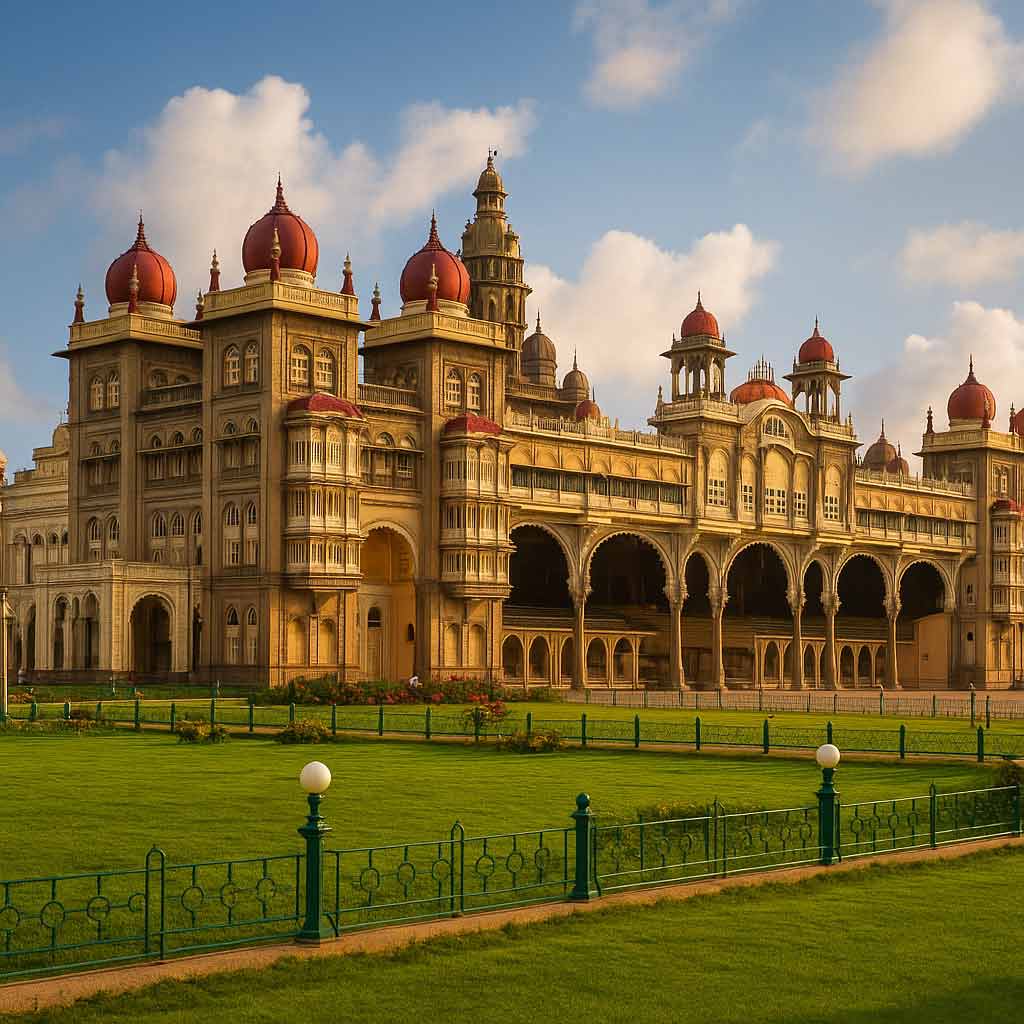
Mysuru – Karnataka – The Royal Heritage City of Karnataka Mysuru – The Royal Heritage City of Karnataka Located in the southern part of Karnataka, Mysuru (formerly Mysore) is one of India’s most enchanting cities — a place where royal heritage, traditional art, and natural beauty coexist in perfect harmony. Often referred to as the “Cultural Capital of Karnataka” and “City of Palaces,” Mysuru stands as a proud reminder of the grandeur of India’s royal past while embracing the energy of modernity. Nestled at the foot of the Chamundi Hills, Mysuru is a destination that captivates travelers with its magnificent palaces, vibrant festivals, sandalwood-scented streets, and timeless traditions. A Royal Legacy Mysuru’s glory dates back to the Wodeyar dynasty, which ruled the region for more than six centuries. The city’s identity is deeply intertwined with the grandeur of its royal lineage, and nowhere is this more evident than in the majestic Mysore Palace, also known as the Amba Vilas Palace. Built in the Indo-Saracenic architectural style, the palace is an opulent masterpiece adorned with domes, arches, intricate carvings, and stained-glass ceilings. When illuminated by nearly 100,000 lights every Sunday evening and during the Dasara Festival, it transforms into a breathtaking spectacle of light and splendor. The palace’s grandeur, coupled with the legacy of royal patronage, has earned Mysuru its place among India’s top tourist destinations. Dasara – The Festival of Royal Splendor The Mysuru Dasara Festival, celebrated during the Navaratri season (September–October), is one of India’s grandest cultural events. Dating back over 400 years, it symbolizes the triumph of good over evil and showcases the city’s rich heritage. The ten-day festival features elaborate processions, music, dance, traditional performances, and exhibitions. The highlight is the Jamboo Savari, a majestic parade in which a golden howdah carrying an idol of Goddess Chamundeshwari is placed atop a beautifully decorated elephant. Streets are illuminated, the palace glows, and the entire city pulsates with a festive spirit that draws visitors from across the globe. Temples and Spiritual Heritage Overlooking the city from a height of 1,000 meters, the Chamundeshwari Temple on Chamundi Hill is one of Mysuru’s most revered landmarks. Dedicated to Goddess Chamundeshwari, the presiding deity of Mysuru, the temple attracts thousands of pilgrims. The 1,008 stone steps leading up to the shrine offer a rewarding climb, and the panoramic view of the city from the hilltop is simply stunning. At the foothill lies the colossal Nandi Statue, carved out of a single granite block, symbolizing Mysuru’s devotion and artistic craftsmanship. Culture, Art, and Architecture Mysuru is not just a royal city — it’s a living museum of Karnataka’s culture and art. The Jaganmohan Palace, once the royal residence, now houses one of India’s finest art galleries, featuring works by Raja Ravi Varma and other celebrated painters. The city is also famous for its Mysore silk sarees, known for their fine quality and intricate gold zari work, and Mysore sandalwood, used to create perfumes, soaps, and incense that are cherished worldwide. The traditional Mysore painting style — detailed, graceful, and rooted in spirituality — continues to thrive here. Music and dance are integral to Mysuru’s cultural identity. The city has produced legendary Carnatic musicians and Bharatanatyam dancers, keeping its artistic soul alive through generations. Nature and Serenity Beyond its palaces and temples, Mysuru offers tranquil escapes. The Brindavan Gardens, located near the Krishna Raja Sagara (KRS) Dam, are famous for their symmetrical design and musical fountain show. The gardens come alive at dusk when lights reflect beautifully on the flowing water. Nature lovers can also visit the Mysore Zoo (Sri Chamarajendra Zoological Gardens), one of India’s oldest and most well-maintained zoos, home to rare species and lush landscapes. A Gateway to Southern Karnataka Mysuru serves as a convenient base for exploring nearby attractions such as Srirangapatna — the historical capital of Tipu Sultan, the Ranganathittu Bird Sanctuary, and the scenic Coorg (Kodagu) hills. With its excellent connectivity, Mysuru is just a few hours’ drive from Bengaluru, making it a favorite weekend getaway for travelers seeking heritage and peace. Mysuru is more than just a city — it is a living legacy of India’s royal grandeur and cultural depth. Its majestic palaces, sacred temples, aromatic markets, and warm people make it a destination that resonates with elegance and charm. Whether it’s witnessing the illuminated palace during Dasara, walking through sandalwood-scented bazaars, or admiring art from a bygone era, Mysuru offers an experience that lingers in the heart long after one leaves. Truly, it stands as a jewel in Karnataka’s crown — a city where the past lives gracefully in the present.
Kerala – God’s Own Country
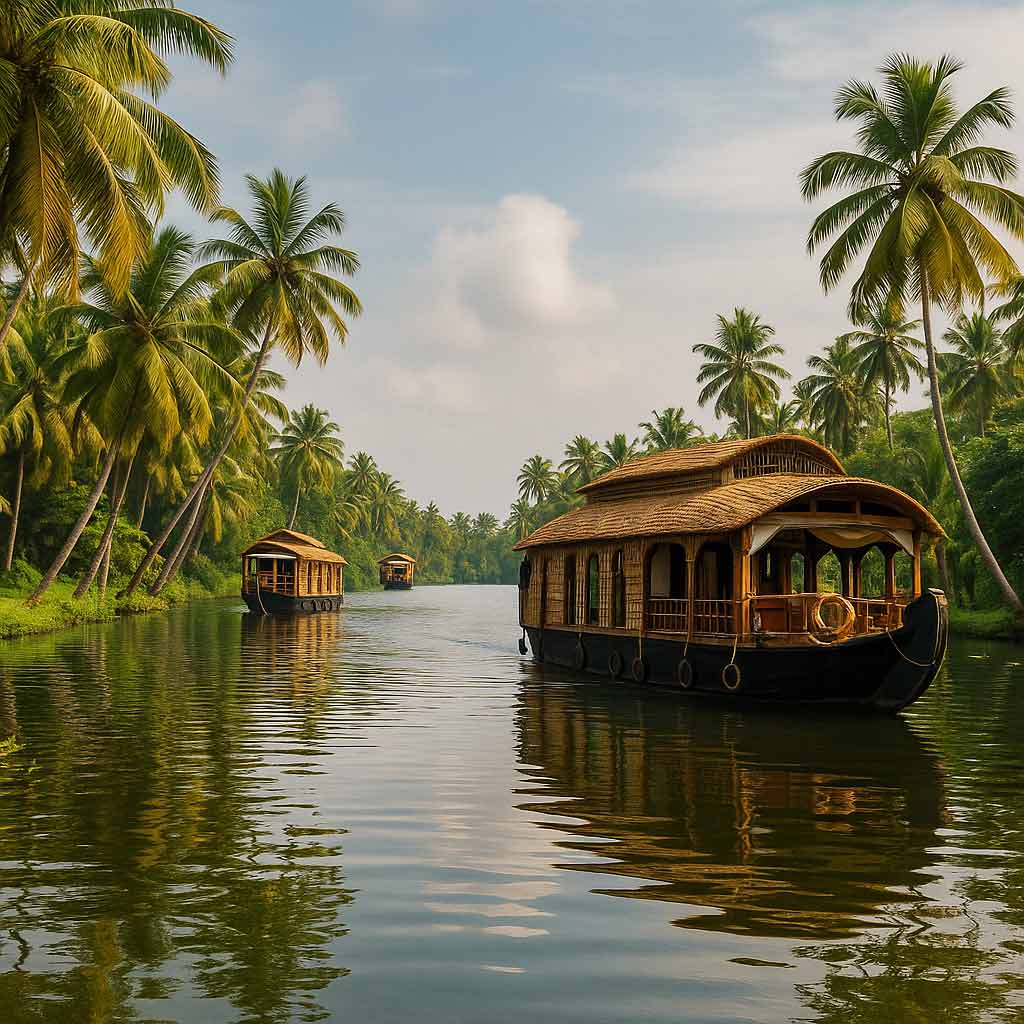
Kerala – God’s Own Country – God’s Own Country Kerala Tourism – God’s Own Country Tucked away in the southern tip of India, Kerala, often referred to as “God’s Own Country,” is a land blessed with breathtaking natural beauty, vibrant traditions, and serene spirituality. Bordered by the majestic Western Ghats on one side and the Arabian Sea on the other, Kerala offers a diverse landscape — from lush hill stations and tranquil backwaters to golden beaches and dense forests. Its harmonious blend of culture, nature, and wellness makes it one of India’s most sought-after travel destinations. Backwaters – The Soul of Kerala The backwaters of Kerala are the heart and soul of the state’s tourism. A network of tranquil lagoons, lakes, and canals, these waterways stretch across the coastal regions, offering an unforgettable experience of serenity. The most famous backwater destination is Alleppey (Alappuzha), known as the Venice of the East. Here, traditional houseboats or kettuvallams glide gently over the emerald waters, passing through swaying coconut palms, green paddy fields, and quaint villages. Cruising through these backwaters gives travelers a glimpse of Kerala’s rural life — fishermen casting their nets, women washing clothes on the riverbanks, and children waving from the shores. Nearby, Kumarakom and Ashtamudi also offer luxurious backwater resorts and bird sanctuaries, making them ideal for those seeking relaxation and natural beauty. Hill Stations and Wildlife Beyond the coastline, Kerala’s highlands are equally captivating. The misty hill station of Munnar, nestled in the Western Ghats, is a paradise of rolling tea plantations, spice gardens, and waterfalls. The aroma of cardamom and the cool mountain air make it an ideal retreat for honeymooners and nature lovers. Wayanad, another gem, is known for its lush forests, ancient caves, and wildlife sanctuaries. The Periyar Wildlife Sanctuary in Thekkady offers a chance to spot elephants, tigers, and exotic birds while enjoying a peaceful boat ride on the Periyar Lake. For adventure enthusiasts, Kerala’s mountains offer trekking, bamboo rafting, and plantation walks, while its forests provide an opportunity to reconnect with nature in its purest form. Beaches and Ayurveda Kerala’s coastal charm is unmatched. The sun-kissed beaches of Kovalam, Varkala, Marari, and Bekal offer golden sands, turquoise waters, and spectacular sunsets. Kovalam, with its crescent-shaped coastline, is famous for swimming, surfing, and traditional Ayurvedic spas by the sea. Varkala Beach, perched below a dramatic cliff, combines natural beauty with spirituality, as the Papanasam Beach is believed to wash away sins. Kerala is also the birthplace of Ayurveda, one of the world’s oldest systems of natural healing. Across the state, Ayurvedic resorts and wellness centers offer rejuvenating therapies, massages, and detox treatments. The holistic experience of Ayurveda, combined with yoga and meditation, makes Kerala a global destination for wellness tourism. Culture, Cuisine, and Festivals Kerala’s charm goes beyond its landscapes — it thrives in its culture and people. The state is known for its rich artistic traditions like Kathakali, Mohiniyattam, and Kalaripayattu (martial arts). Its temples, churches, and mosques reflect centuries of harmony and heritage. The Thrissur Pooram festival, with its grand elephant procession and fireworks, is a visual spectacle that embodies Kerala’s festive spirit. The cuisine of Kerala is a delightful fusion of flavors — coconut, curry leaves, and spices form the essence of its dishes. Whether it’s the lavish Sadya (vegetarian feast served on banana leaves), Karimeen Pollichathu (pearl spot fish), or Appam with Stew, Kerala’s culinary diversity leaves every visitor enchanted. Eco-Tourism and Responsible Travel Kerala has also emerged as a leader in eco-tourism and responsible travel. The state promotes community-based tourism through initiatives like Kumarakom’s Responsible Tourism Project, ensuring that local communities benefit from tourism while preserving the environment. The lush greenery, abundant wildlife, and sustainable practices make Kerala a model for conscious travel. From the tranquil backwaters of Alleppey to the misty hills of Munnar, from the golden beaches of Kovalam to the soulful chants along the Ganges of the South, Kerala is a mosaic of experiences. It’s a place where every sunrise brings peace, every sunset inspires awe, and every journey leaves a lasting imprint on the heart. Indeed, Kerala isn’t just a destination — it’s an emotion, a harmony of nature, culture, and humanity. Whether you seek relaxation, adventure, or spiritual awakening, Kerala — God’s Own Country — welcomes you with open arms and a gentle sea breeze.
Rishikesh & Haridwar – Uttarakhand
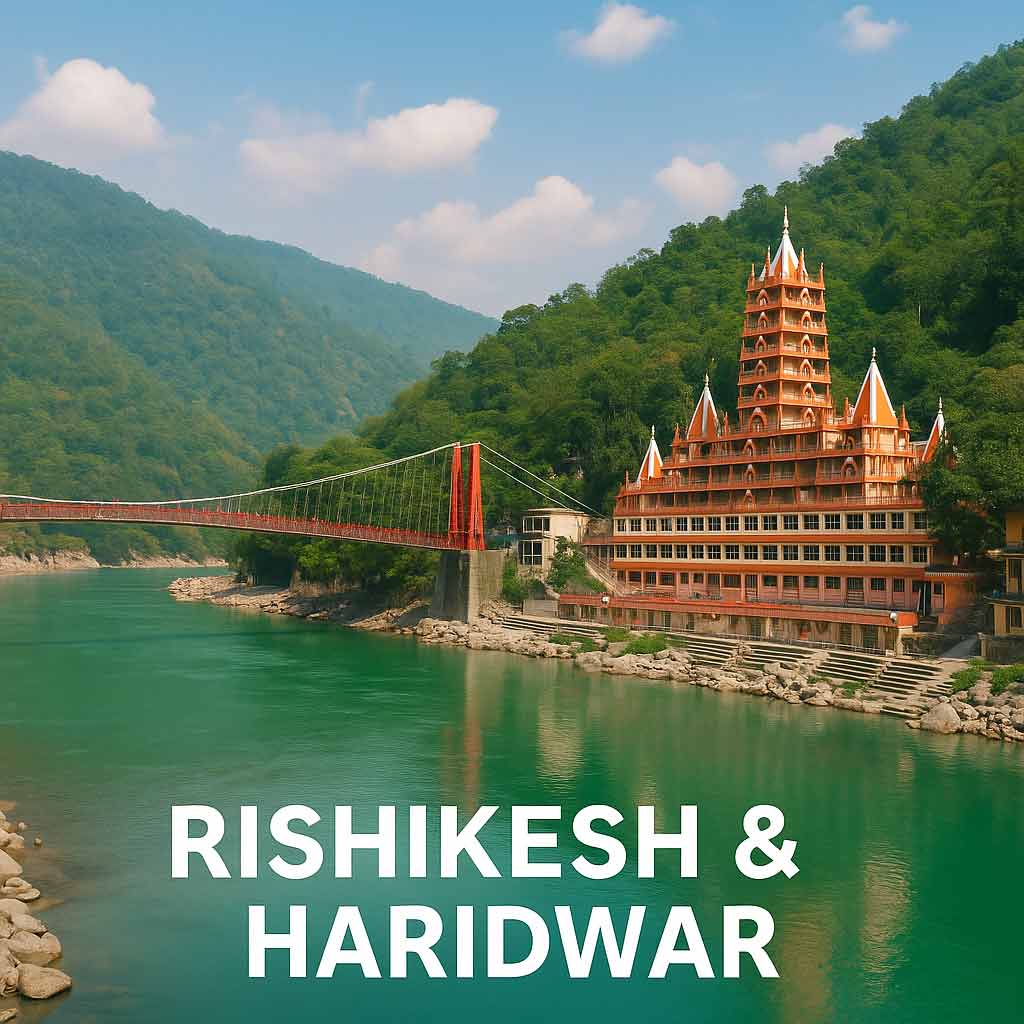
Rishikesh & Haridwar – Uttarakhand – The Twin Spiritual Gateways to the Himalayas Rishikesh and Haridwar – The Twin Spiritual Gateways to the Himalayas Nestled along the sacred banks of the River Ganga in the foothills of the Himalayas, the twin towns of Rishikesh and Haridwar in Uttarakhand are among India’s most revered spiritual destinations. These ancient cities, only about 20 kilometers apart, are gateways to the Char Dham Yatra (Badrinath, Kedarnath, Gangotri, and Yamunotri) and hold a timeless allure for devotees, seekers, and travelers from around the world. Together, they form a seamless blend of divinity, culture, adventure, and natural beauty — where spirituality meets serenity. Haridwar – The Gateway to the Gods The name Haridwar literally means “Gateway to God” (Hari meaning God and Dwar meaning gate). It is one of the seven holiest places in Hinduism and a major pilgrimage site where millions of devotees gather to take a dip in the sacred Ganges River, believed to cleanse sins and lead to salvation. The spiritual heart of Haridwar beats at Har Ki Pauri, a revered ghat where Lord Vishnu is said to have left his footprint. As dusk falls, the Ganga Aarti transforms the atmosphere into a divine spectacle — hundreds of lamps floating on the river, the rhythmic chants of priests, and the fragrance of incense fill the air with transcendence. Witnessing this ceremony is an unforgettable experience that embodies India’s spiritual essence. Haridwar is also home to ancient temples like Mansa Devi, Chandi Devi, and Daksha Mahadev Temple, each carrying mythological significance. The city’s narrow lanes are lined with ashrams, vegetarian eateries, and shops selling Rudraksha beads, copper vessels, and spiritual books. Every twelve years, Haridwar hosts the Kumbh Mela, one of the world’s largest religious gatherings, drawing millions of pilgrims and sadhus. Yet, Haridwar is not only about ritual—it is about rhythm and faith. The calm flow of the Ganga, the ringing temple bells, and the sight of saffron-clad saints together create an atmosphere of deep devotion and simplicity that touches every visitor’s soul. Rishikesh – The Yoga Capital of the World If Haridwar is about faith, Rishikesh is about inner awakening. Known globally as the “Yoga Capital of the World”, Rishikesh has long been a center for meditation, yoga, and spiritual learning. The Beatles’ visit to the Maharishi Mahesh Yogi Ashram in 1968 brought it international fame, and since then, it has become a hub for seekers from across the globe. Located along the same sacred river, Rishikesh is surrounded by lush forests, tranquil ashrams, and the magnificent Himalayan foothills. The Laxman Jhula and Ram Jhula, two iconic suspension bridges spanning the Ganga, are landmarks that offer panoramic views of temples, ghats, and the vibrant life along the riverbanks. On both sides of the river, ashrams such as Parmarth Niketan, Sivananda Ashram, and Omkarananda Ganga Sadan conduct yoga and meditation sessions that attract thousands of learners year-round. Every evening, the Ganga Aarti at Parmarth Niketan mirrors the divinity of Haridwar’s ritual but with a serene, reflective tone, often attended by hundreds of visitors from across the world. The aarti’s chants, performed by young students and saints, create an atmosphere of spiritual unity that transcends languages and religions. Adventure and Nature in the Spiritual Realm Beyond its spiritual essence, Rishikesh is also a haven for adventure enthusiasts. The fast-flowing Ganges offers white-water rafting, one of the most popular activities here. Travelers can also enjoy bungee jumping, ziplining, cliff jumping, and trekking in the nearby Himalayan trails. The Neer Garh Waterfall, Rajaji National Park, and Kunjapuri Temple Trek offer beautiful experiences for nature lovers seeking peace and adventure in equal measure. For many, Rishikesh represents a journey inward — a place to disconnect from the material world and reconnect with the soul. Whether it’s attending the International Yoga Festival, practicing mindfulness by the river, or simply watching the sunrise over the mountains, Rishikesh rejuvenates both body and spirit. A Journey of the Soul Together, Haridwar and Rishikesh form a spiritual circuit that captures the very essence of India — its faith, philosophy, and harmony with nature. Haridwar invites pilgrims to surrender their devotion to the divine, while Rishikesh encourages seekers to find divinity within themselves. The sacred Ganga flows through both towns — as a river, as a mother, and as a symbol of life’s eternal journey. Whether you come to pray, to learn yoga, to find peace, or simply to breathe the Himalayan air, Rishikesh and Haridwar promise an experience that transcends travel — it transforms you.
Manali – Himachal Pradesh
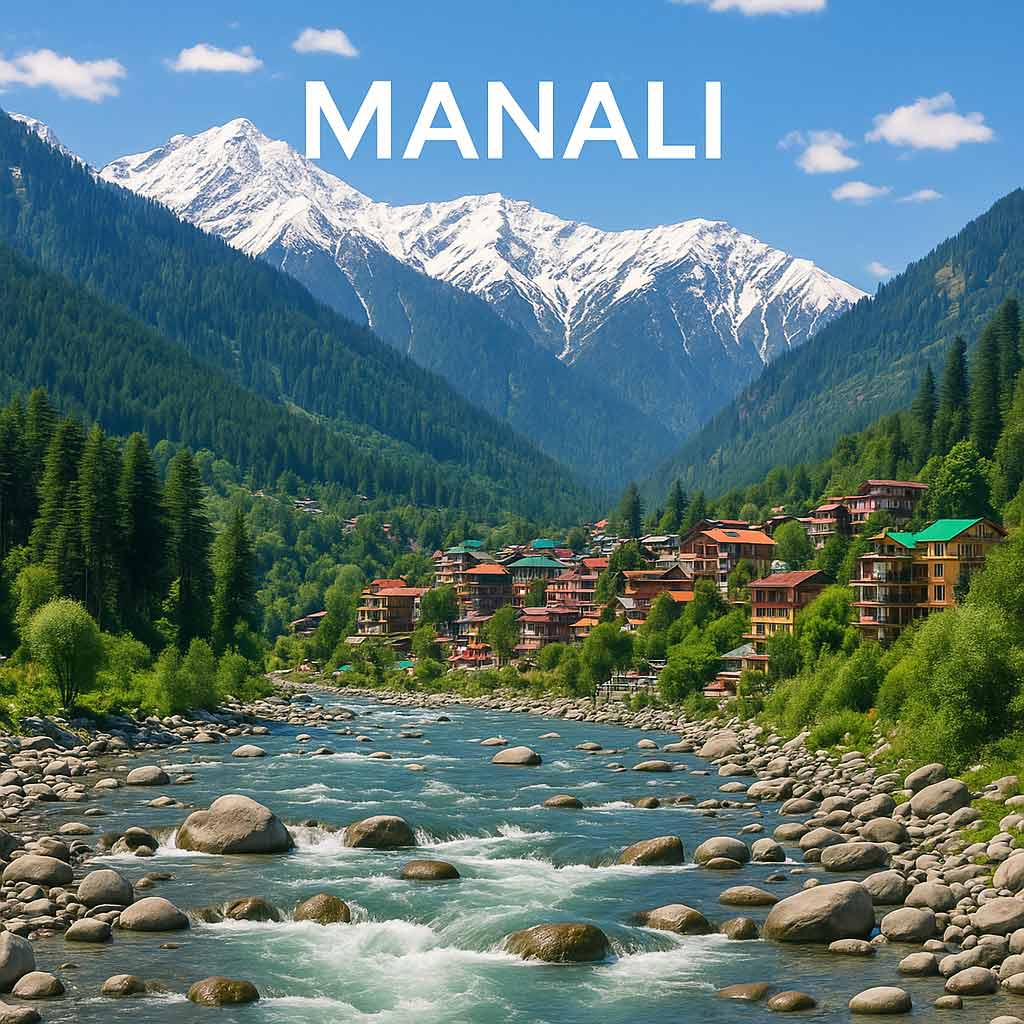
Manali – Himachal Pradesh – The Valley of Gods and Adventure Manali Tourism – The Valley of Gods and Adventure Nestled in the lap of the Himalayas in Himachal Pradesh, Manali is one of India’s most enchanting hill stations. Perched at an altitude of about 2,050 meters (6,726 feet) on the banks of the Beas River, Manali is a mesmerizing blend of natural beauty, adventure, spirituality, and serenity. It is often referred to as the “Valley of Gods”, a title that reflects both its mythological significance and breathtaking landscapes. A Gateway to the Himalayas Manali serves as a gateway to the Lahaul-Spiti Valley and Leh-Ladakh, attracting thousands of travelers, trekkers, and bikers every year. The journey to Manali itself is scenic, with winding roads through pine forests, apple orchards, and charming mountain villages. The town, surrounded by snow-capped peaks and lush valleys, offers a year-round escape—pleasant in summer, magical in winter, and breathtakingly beautiful during spring and autumn. Nature’s Masterpiece Manali’s beauty lies in its diversity. The emerald Beas River flows gracefully through the valley, adding life to the landscape. Dense deodar and pine forests, cascading waterfalls, and snow-clad mountains create postcard-perfect views at every turn. The nearby Solang Valley is a haven for adventure lovers and photographers alike, especially when covered in snow during the winter months. Another jewel in Manali’s crown is the Rohtang Pass, located about 51 km from town. It connects Kullu Valley to Lahaul and Spiti and remains snowbound for most of the year. In summer, it becomes a major tourist attraction where visitors can enjoy snow activities such as skiing, snow scootering, and snowboarding, even in June. Adventure Awaits For adventure seekers, Manali is nothing short of paradise. The town is known as the Adventure Capital of Himachal Pradesh, offering a wide range of activities across seasons. In Solang Valley, one can try paragliding, zorbing, skiing, and ropeway rides, while the Beas River offers white-water rafting experiences for thrill enthusiasts. Trekkers find Manali a perfect base for expeditions to Hampta Pass, Beas Kund, and Bhrigu Lake, which offer stunning views of the surrounding peaks and alpine meadows. For bikers, the legendary Manali-Leh Highway is an ultimate road adventure, taking travelers through some of the world’s highest mountain passes. Spirituality and Serenity Manali is not just about adventure—it is equally a place for peace and spiritual rejuvenation. The Hidimba Devi Temple, dedicated to the goddess Hidimba (wife of Bhima from the Mahabharata), is one of the most visited attractions. Surrounded by cedar forests, the wooden temple, built in 1553, is an architectural marvel with intricately carved doors and a tranquil atmosphere. Nearby lies the Manu Temple, dedicated to the sage Manu, believed to be the creator of human civilization according to Hindu mythology. Vashisht Village, about 3 km from Manali, is famous for its natural hot springs, believed to have healing properties. Visitors often take a dip here to relax after a long day of sightseeing. Culture and Local Life The charm of Manali also lies in its people and traditions. The Old Manali area, with its cobblestone streets, wooden houses, and cozy cafés, offers a glimpse into the region’s local lifestyle blended with bohemian energy. It is a favorite among backpackers and foreign travelers. The town also hosts cultural festivals such as the Winter Carnival and Doongri Fair, showcasing Himachali folk music, dance, and cuisine. Speaking of cuisine, Manali offers a range of culinary delights—from authentic Himachali dishes like Siddu, Babru, and Dham, to continental favorites served in the many mountain-view cafés along Mall Road. A Year-Round Destination Manali’s charm changes with the seasons. In summer (March to June), it’s a refuge from India’s scorching plains. Monsoon (July to September) paints the valley in lush green hues, while winter (October to February) transforms it into a snowy wonderland, ideal for honeymooners and winter sports lovers. Manali is a destination that caters to every kind of traveler—whether one seeks adrenaline, peace, spirituality, or romance. With its snow peaks, alpine meadows, temples, and riverside charm, it captures the very essence of the Himalayas. Every visit feels new, every view feels alive, and every moment leaves you enchanted. In Manali, the mountains whisper stories of gods and travelers, and the river hums a tune of eternal peace—making it not just a place to visit, but a destination to feel and remember.
Goa – Western Coast

Goa – Western Coast – The Pearl of the Arabian Sea Goa Tourism – The Pearl of the Arabian Sea Goa, India’s smallest state by area, is one of the country’s most cherished travel destinations. Fondly called the “Pearl of the Arabian Sea,” it is a paradise where golden beaches meet swaying palms, colonial charm mingles with modern leisure, and the rhythm of life slows to a soothing pace. Famed for its sun, sand, sea, and spirituality, Goa offers a unique blend of Indian and Portuguese cultures, creating an atmosphere unlike anywhere else in the country. A Coastal Gem with a Rich Heritage Located on India’s western coast, Goa was a Portuguese colony for over 450 years, from 1510 to 1961. This colonial legacy is still evident in its architecture, cuisine, music, and laid-back lifestyle. The old quarters of Panaji, the capital, still preserve pastel-colored villas, baroque churches, and charming cobblestone streets that transport visitors to a bygone era. One of the most significant heritage areas is Old Goa, home to majestic churches and cathedrals that are now UNESCO World Heritage Sites. The Basilica of Bom Jesus, which houses the remains of St. Francis Xavier, and the Se Cathedral, one of Asia’s largest churches, stand as timeless symbols of Goa’s spiritual and architectural grandeur. Sun, Sand, and Sea – The Essence of Goa Goa’s coastline stretches over 100 kilometers, offering some of the most beautiful beaches in the world. Each beach has its own personality and charm. In North Goa, the beaches of Baga, Calangute, Anjuna, and Vagator are bustling with life—lined with beach shacks, water sports, music, and nightlife. These spots attract backpackers, party enthusiasts, and adventure seekers alike. In contrast, South Goa is more tranquil and pristine. Beaches like Palolem, Colva, and Agonda offer serenity, ideal for those seeking peace and solitude. Here, one can relax on quiet sands, enjoy yoga retreats, or simply watch the sun melt into the Arabian Sea. Goa is also a hub for water sports—parasailing, jet-skiing, windsurfing, scuba diving, and snorkeling draw thrill-seekers from around the world. The backwaters and rivers such as Mandovi and Zuari offer opportunities for kayaking and river cruises, adding another dimension to the Goan experience. Culture, Cuisine, and Carnival Spirit Goa’s charm goes beyond its natural beauty—it’s a land of vibrant culture and festivals. The famous Goa Carnival, celebrated every February before Lent, is a lively display of music, dance, floats, and street parades, reflecting the state’s Portuguese heritage. Other popular celebrations include Shigmo, Sao Joao, and the Feast of St. Francis Xavier, each blending spirituality with exuberant local traditions. Goan cuisine is another highlight, marked by a rich fusion of Indian spices and Portuguese flavors. Seafood lovers delight in dishes like Goan Fish Curry, Prawn Balchão, Bebinca, and Vindaloo. Coconut, tamarind, and kokum feature prominently, giving Goan food its distinctive tangy-sweet flavor. The local drink, feni, made from cashew apples or coconut sap, is a must-try for those wanting a true taste of Goa. Beyond the Beaches While Goa is often synonymous with beaches, there’s much more to explore inland. The lush Western Ghats bordering the state are rich in biodiversity, home to scenic waterfalls such as Dudhsagar Falls, spice plantations, and wildlife sanctuaries like Bhagwan Mahavir Wildlife Sanctuary and Cotigao Sanctuary. The quaint villages of Goa, with their paddy fields, colonial houses, and friendly locals, offer a glimpse into the state’s tranquil countryside life. A Destination for Every Traveler Whether you’re a history buff, an adventure seeker, a nature lover, or someone simply yearning for a break from the hustle and bustle, Goa caters to every traveler. It’s a place where one can party all night or meditate at dawn, enjoy seafood by the waves or explore ancient churches, dive deep into the sea or lose oneself in music under the stars. Conclusion Goa is not just a destination—it’s a feeling, a state of mind. Its charm lies in its ability to blend contrasts seamlessly: east and west, old and new, excitement and peace. Every visit feels like a celebration of life itself. As the sun dips below the horizon and the waves whisper along its golden shores, one realizes that Goa is more than a place—it’s an experience that stays with you forever.
Varanasi – Uttar Pradesh
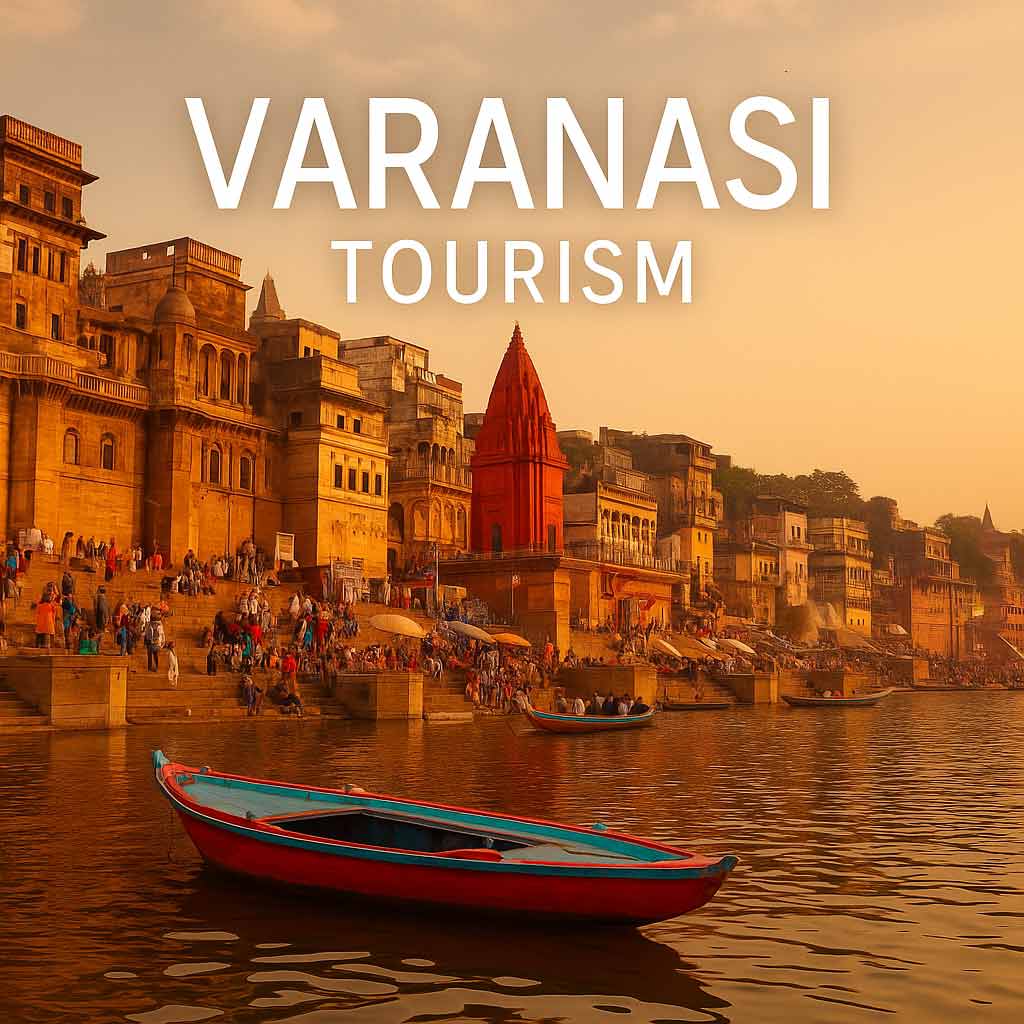
Varanasi – Uttar Pradesh – The Eternal City of Light 🌅 Varanasi Tourism – The Eternal City of Light Varanasi, also known as Kashi or Benares, is one of the oldest living cities in the world and the spiritual heartbeat of India. Situated on the banks of the sacred River Ganga in Uttar Pradesh, it is a city where life and death coexist harmoniously — where every sunrise brings chants of devotion, and every sunset glows with the flames of faith. For thousands of years, Varanasi has been a center of learning, spirituality, art, and culture. It is said that Lord Shiva himself founded the city, making it one of the most revered pilgrimage sites for Hindus. From the mystical ghats to the narrow alleys filled with incense, music, and prayer, Varanasi is not just a place — it is an experience that touches the soul. 🕉️ Spiritual Essence The city’s 80-plus ghats (riverfront steps) are the lifeline of Varanasi. Each ghat has a story, a ritual, and a rhythm. The most famous of all is the Dashashwamedh Ghat, where every evening, priests perform the grand Ganga Aarti, a mesmerizing ritual of fire, chants, and devotion. Watching hundreds of lamps float down the river under the twilight sky is an unforgettable sight. Other significant ghats include Manikarnika Ghat and Harishchandra Ghat, the sacred cremation sites that remind visitors of life’s impermanence — a concept deeply rooted in Hindu philosophy. Pilgrims bathe in the holy waters of the Ganga to cleanse their sins, while ascetics meditate by its banks, detached from worldly life. The spiritual journey continues at the Kashi Vishwanath Temple, dedicated to Lord Shiva. It is one of the twelve Jyotirlingas, attracting millions of devotees every year. The temple’s golden spire gleams over the old city, symbolizing purity and divine energy. 🕍 Cultural and Historical Heritage Beyond its spirituality, Varanasi is a living museum of Indian culture. The city’s narrow lanes are lined with temples, old havelis, ashrams, and markets buzzing with life. You can hear temple bells, conch shells, and the hum of mantras blending with the everyday bustle of vendors selling flowers, silk, and sweets. The Ramnagar Fort, built in the 18th century by the Maharaja of Banaras, stands majestically across the river. It houses a museum displaying royal artifacts, vintage cars, and medieval weaponry, offering a glimpse into Varanasi’s regal past. Varanasi is also the cultural capital of India, home to classical music, dance, and literature. The legendary Bharat Kala Bhavan Museum at Banaras Hindu University (BHU) preserves ancient sculptures, paintings, and manuscripts that reflect India’s artistic legacy. The city’s association with luminaries like Tulsidas, Kabir, and Ravi Shankar further enhances its cultural prestige. 🧭 Experiences and Attractions A trip to Varanasi is incomplete without a boat ride on the Ganges — either at dawn or dusk. The sight of temples and ghats bathed in golden light, with the chants echoing across the river, is both peaceful and surreal. Varanasi is also famous for its silk weaving, particularly Banarasi sarees known for their rich texture and intricate zari work. The local bazaars — such as Vishwanath Gali and Thatheri Bazaar — are treasure troves for traditional crafts, jewelry, and sweets like malaiyyo and jalebi. A short excursion to Sarnath, just 10 km away, adds another spiritual dimension to the visit. It is where Lord Buddha delivered his first sermon after attaining enlightenment, making it a sacred site for Buddhists around the world. 🌸 When to Visit The best time to visit Varanasi is from October to March, when the weather is cool and pleasant. Major festivals such as Dev Deepawali, when thousands of diyas illuminate the ghats, and Mahashivratri, when the city celebrates its patron deity, are truly magical. Varanasi is not a destination — it is a journey into timeless India. It humbles, inspires, and transforms every traveler who walks along its ghats or sits by the Ganges watching life flow by. In its ancient rituals, sacred chants, and warm smiles, Varanasi teaches the essence of existence: to live fully, love deeply, and let go gracefully.
Jaipur – Rajasthan (The Pink City)
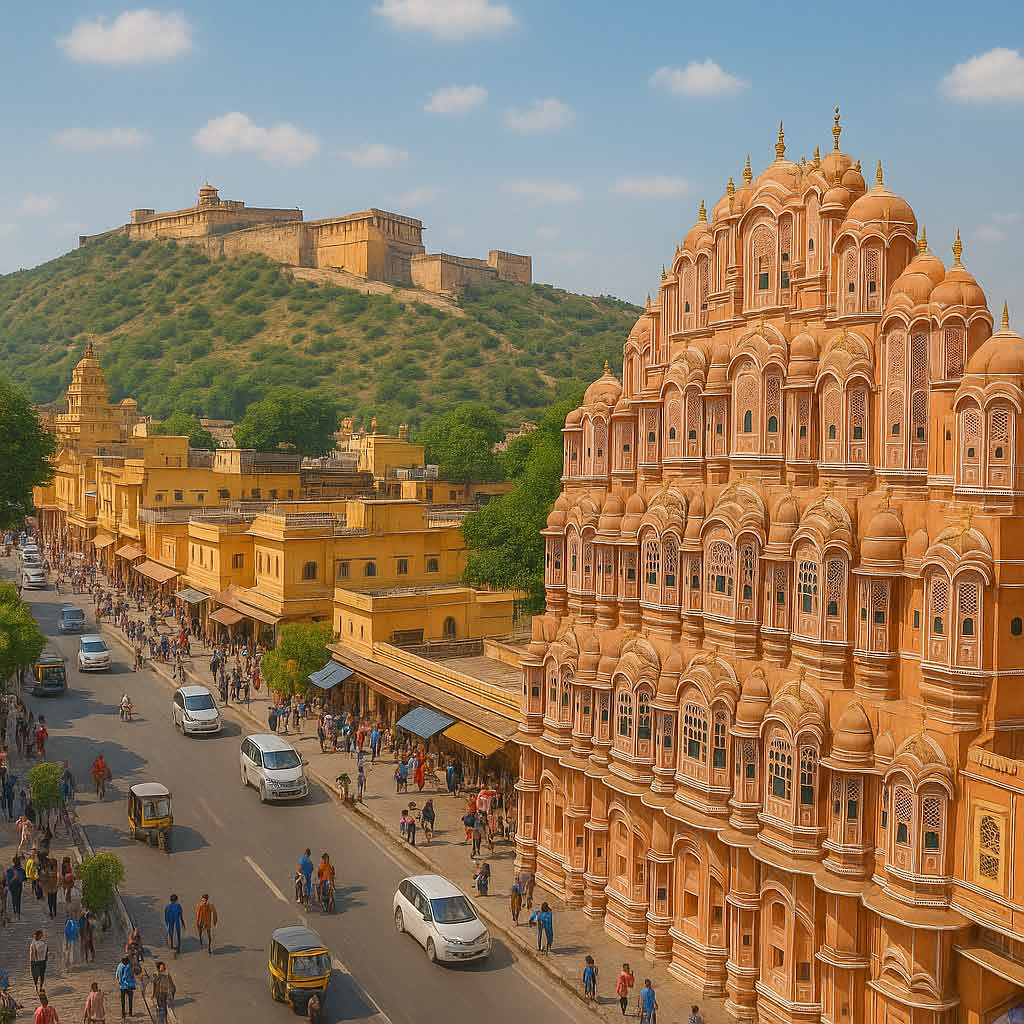
Jaipur – Rajasthan – The Pink Jewel of Rajasthan Jaipur Tourism – The Pink Jewel of Rajasthan Known as the “Pink City of India,” Jaipur is a mesmerizing blend of royal heritage, vibrant culture, and architectural grandeur. The capital of Rajasthan, Jaipur is not just a city—it’s an experience that brings India’s regal past to life. With its majestic forts, colorful bazaars, and ornate palaces, Jaipur offers visitors a glimpse into the opulence of the Rajput era while embracing the warmth and hospitality that define Rajasthan. A City Born from Royal Vision Jaipur was founded in 1727 by Maharaja Sawai Jai Singh II, a visionary ruler known for his intelligence and deep interest in astronomy and architecture. It was one of the first planned cities of India, designed according to the principles of Vastu Shastra and Shilpa Shastra. The city’s distinctive pink color, introduced in 1876 to welcome the visit of the Prince of Wales (later King Edward VII), has since become its signature hue—symbolizing hospitality and grace. Architectural Wonders and Royal Heritage Jaipur’s landscape is dotted with magnificent structures that narrate tales of valor, artistry, and devotion. The Amber Fort (Amer Fort), perched on a rugged hill, is a stunning fusion of Hindu and Mughal architectural styles. Built from red sandstone and marble, the fort’s Sheesh Mahal (Hall of Mirrors) dazzles visitors with its intricate mirror work that transforms even the faintest light into a shimmering spectacle. Closer to the heart of the city stands the City Palace, a sprawling complex of courtyards, gardens, and museums that continues to house the royal family of Jaipur. Its architecture blends Rajput, Mughal, and European influences, with the Chandra Mahal offering panoramic views of the city. Another architectural gem is the Hawa Mahal, or the “Palace of Winds.” This five-storied marvel, with its 953 intricately carved windows, was designed so royal women could observe street festivities without being seen. The honeycomb façade, glowing pink in the sunlight, remains one of the most photographed monuments in India. For those with a passion for science and astronomy, the Jantar Mantar, built by Maharaja Jai Singh II, is a UNESCO World Heritage Site. It houses a collection of nineteen architectural astronomical instruments, including the world’s largest stone sundial, still accurate to within seconds. Temples, Traditions, and Cultural Richness Jaipur is also a city of spirituality. The Govind Dev Ji Temple, dedicated to Lord Krishna, is deeply revered by locals, while the Birla Mandir, made entirely of white marble, showcases delicate carvings and a peaceful ambiance. Every corner of the city echoes with devotional music, folk songs, and the rhythmic beats of traditional Rajasthani dances. Cultural festivals such as the Jaipur Literature Festival, Teej, Gangaur, and Makar Sankranti bring the city alive with color, art, and celebration. During these events, the streets overflow with vibrant processions, traditional attire, and mouthwatering local delicacies. Shopping and Cuisine A trip to Jaipur is incomplete without exploring its lively bazaars. The Johari Bazaar is famed for its exquisite jewelry, especially Kundan and Meenakari work, while Bapu Bazaar and Tripolia Bazaar offer colorful textiles, block-printed fabrics, handicrafts, and blue pottery. Each market is a kaleidoscope of colors, sounds, and scents—a shopper’s paradise. The city’s cuisine is equally captivating. From the royal Dal Baati Churma and Laal Maas to the sweet Ghevar and Mawa Kachori, Jaipur’s food reflects its rich heritage and bold flavors. A Modern City with Ancient Soul While Jaipur proudly preserves its regal past, it has also embraced modernity. Luxury hotels, boutique stays, heritage resorts, and fine-dining restaurants make it an ideal destination for travelers seeking comfort and culture in equal measure. The city forms part of India’s famous Golden Triangle tourism circuit, along with Delhi and Agra, making it easily accessible and immensely popular among domestic and international tourists alike. Jaipur is not just a destination—it’s a living museum of India’s royal history and cultural splendor. Every fort, palace, and street tells a story, every meal is a celebration, and every sunset paints the pink walls in hues of gold. Whether you’re an art lover, a history enthusiast, or simply a curious traveler, Jaipur welcomes you with open arms, promising memories as timeless as its majestic past.
Taj Mahal – Agra, Uttar Pradesh
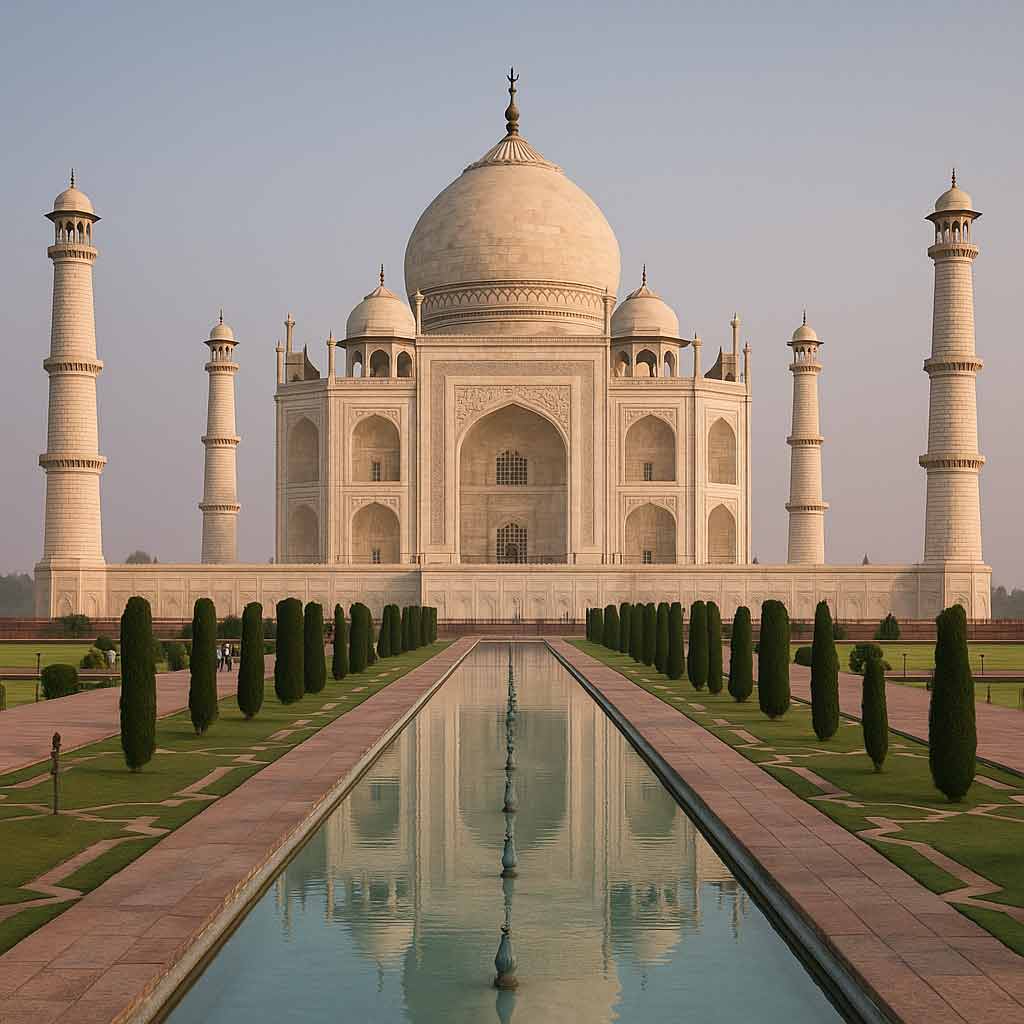
Taj Mahal – Agra, Uttar Pradesh – A Symbol of Eternal Love The Taj Mahal: A Timeless Monument of Love The Taj Mahal, one of the most iconic structures in the world, stands proudly on the southern bank of the Yamuna River in Agra, India. Often described as a “teardrop on the cheek of time,” this architectural marvel is a universal symbol of eternal love and artistic excellence. Declared a UNESCO World Heritage Site in 1983, the Taj Mahal continues to attract millions of visitors each year who come to admire its breathtaking beauty and the poignant story behind its creation. A Love Immortalized in Marble The Taj Mahal was commissioned in 1632 by the Mughal Emperor Shah Jahan in memory of his beloved wife, Mumtaz Mahal, who died during childbirth in 1631. Deeply stricken by grief, Shah Jahan decided to build a mausoleum so beautiful that it would be remembered for all time as a monument to their love. It took nearly 22 years and the labor of over 20,000 artisans and craftsmen to complete this grand structure, with its construction finishing around 1653. Legend has it that Shah Jahan intended to build a mirror image of the Taj in black marble on the opposite bank of the Yamuna for himself, connected by a bridge of silver. However, his dream was left unfulfilled after he was overthrown and imprisoned by his own son, Aurangzeb. Shah Jahan spent the rest of his life gazing at the Taj Mahal from his prison window in the Agra Fort until his death in 1666, when he was laid to rest beside Mumtaz Mahal in the very monument he built for her. Architectural Brilliance The Taj Mahal represents the zenith of Mughal architecture, blending elements of Persian, Islamic, and Indian styles into a perfect harmony. The chief architect, Ustad Ahmad Lahauri, designed the complex with mathematical precision and artistic flair. The entire complex spreads over 42 acres and includes a main gateway, a beautifully landscaped Charbagh garden, a mosque, a guest house, and the magnificent marble mausoleum itself. The main structure stands on a raised platform made of red sandstone, with the gleaming white marble mausoleum at its center. Its massive central dome, which rises to about 73 meters (240 feet), is flanked by four slender minarets that lean slightly outward to prevent them from collapsing onto the tomb in case of an earthquake. Each element of the Taj is symmetrical, reflecting the Mughal obsession with balance and proportion. The marble façade of the Taj Mahal is adorned with intricate pietra dura (stone inlay) work using precious and semi-precious stones such as jade, crystal, lapis lazuli, turquoise, and amethyst. Verses from the Quran are delicately inscribed on the arched entrances in black marble calligraphy. Inside, the cenotaphs of Shah Jahan and Mumtaz Mahal are enclosed within a delicately carved marble screen, while their actual graves rest in a quiet crypt below. Changing Moods of the Taj One of the most enchanting features of the Taj Mahal is its ability to change color with the light of the day and the moon. In the soft glow of dawn, it appears pinkish; in the bright sunlight, dazzling white; and under moonlight, it glows with a silvery hue. This transformation symbolizes the different moods of a woman and reflects the love that inspired its creation. A Legacy Beyond Time Beyond its architectural splendor, the Taj Mahal is a cultural emblem of India and a universal symbol of love and devotion. It stands as a reminder of the artistic heights that humanity can reach when driven by emotion and imagination. The Taj has inspired poets, painters, architects, and lovers around the world. Even centuries after its completion, it continues to evoke awe, admiration, and romance. The Taj Mahal is not just a tomb—it is a story carved in marble, a song of love frozen in time. As one gazes upon its tranquil symmetry and luminous beauty, it becomes clear why this monument, born out of grief and love, remains one of the most cherished wonders of the world.
Tamil Nadu Vanjaram Meen Varuval
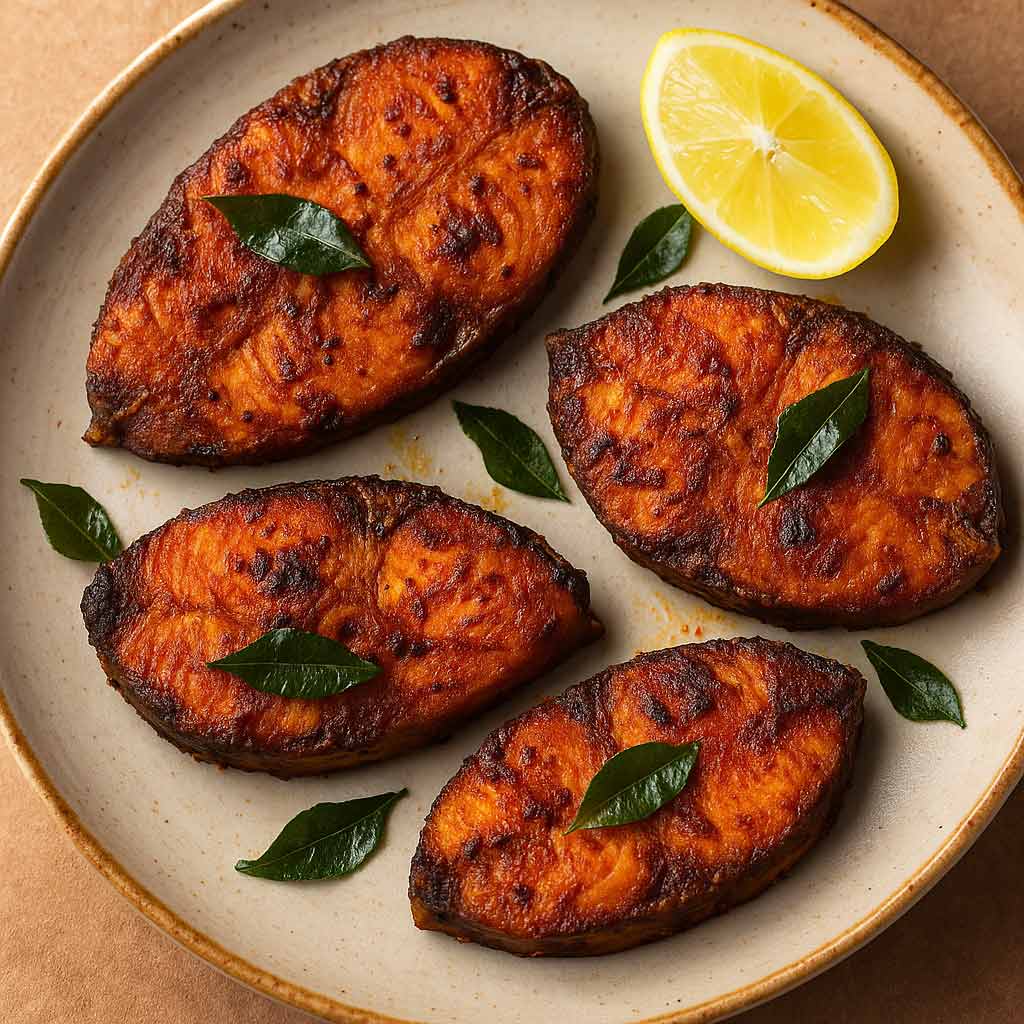
Tamil Nadu Vanjaram Meen Varuval — a simple yet iconic coastal dish that celebrates the flavor of the fish with a perfect blend of spices and crisp sear 🐟🔥 🧂 Ingredients For the Marinade: King fish (Vanjaram / Seer fish) slices – 4 to 6 pieces (about 500 g) Red chili powder – 2 tsp Kashmiri chili powder – 1 tsp (for color) Turmeric powder – ½ tsp Coriander powder – 1 tsp Cumin powder – ½ tsp Black pepper powder – ½ tsp Ginger-garlic paste – 1 tbsp Lemon juice – 1 tbsp Salt – to taste Rice flour – 1 tbsp (for crispiness) Oil – 2 tbsp (for the marinade) 👩🍳 Preparation Steps 1. Clean and Pat Dry the Fish Clean the fish slices thoroughly and pat them completely dry with a kitchen towel. This helps the masala adhere well and ensures crisp frying. 2. Prepare the Marinade In a bowl, mix all the ingredients under Marinade to form a thick paste. Add a few drops of water only if needed — the masala should cling to the fish, not drip. 3. Marinate the Fish Coat each fish slice evenly with the masala paste. Let it rest for at least 30 minutes (or refrigerate for up to 2 hours). 🔸 Longer marination enhances flavor and gives that restaurant-style crust. 4. Shallow Fry the Fish Heat oil in a flat pan (preferably an iron or cast-iron tawa). Place fish slices gently on medium flame. Fry each side for 3–4 minutes until golden-brown and crisp. Avoid flipping too often — once the edges turn brown, flip carefully. 5. Drain and Garnish Remove the fried fish and place on paper towels to absorb excess oil. Garnish with curry leaves and lemon wedges. 🍽️ To Serve Serve hot with: Steamed Rice and Sambar or Rasam, or As a side with Fish Biryani or Curd Rice. 💡 Chef’s Tips Vanjaram (Seer Fish) is ideal — it’s firm, flavorful, and holds shape during frying. Use gingelly oil (nallennai) for authentic Tamil coastal flavor. For extra crunch, mix a teaspoon of semolina (rava) with the marinade. You can grill or air-fry instead of shallow frying for a lighter version.
Tamil Nadu Chettinad Chicken Curry
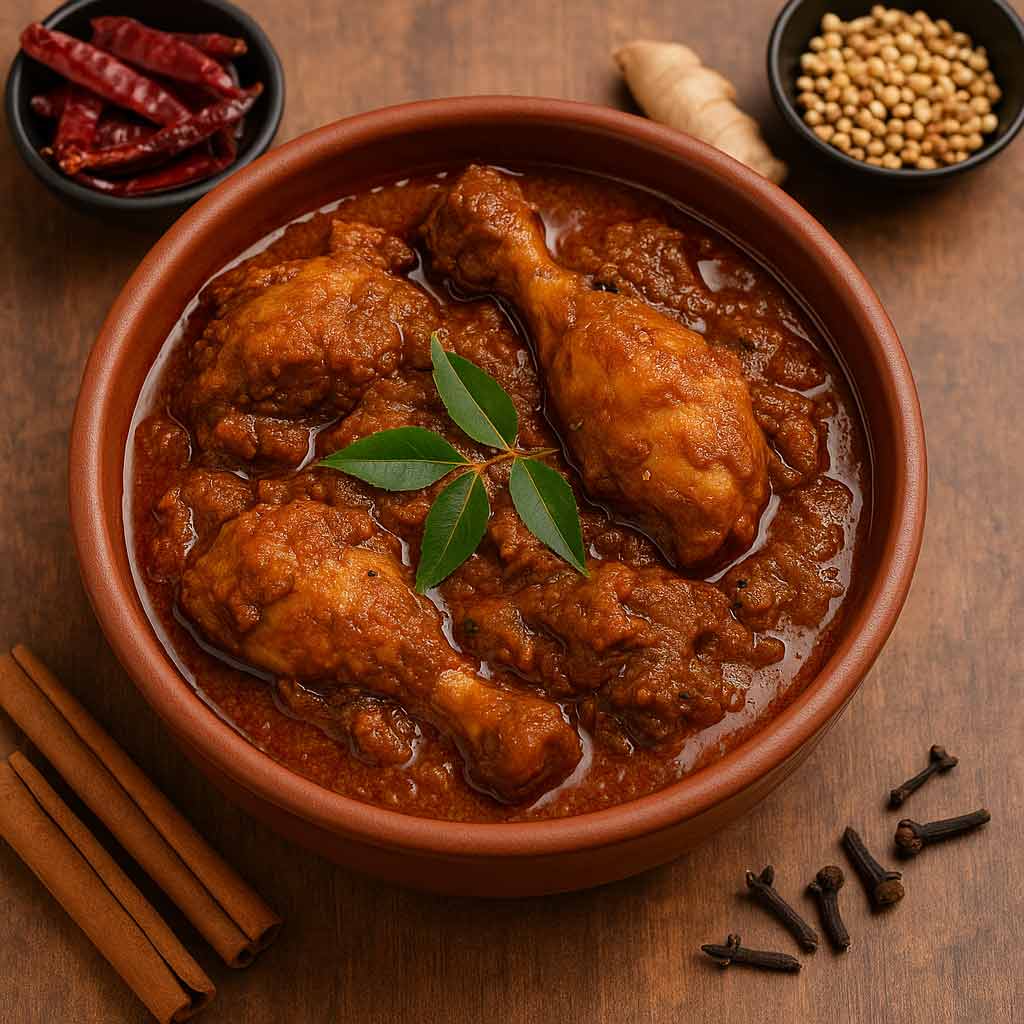
Tamil Nadu Chettinad Chicken Curry — a fiery, aromatic dish from the Chettinad region 🍗🌶️✨ 🧂 Ingredients For Marination: Chicken – 1 kg (bone-in pieces preferred) Thick curd (yogurt) – ½ cup Turmeric powder – ¼ tsp Salt – 1 tsp For Chettinad Masala (freshly roasted & ground): Coriander seeds – 2 tbsp Dry red chilies – 6–8 (adjust to spice level) Fennel seeds – 1 tsp Black peppercorns – 1 tsp Cumin seeds – ½ tsp Poppy seeds – 1 tsp (optional) Grated coconut – 3 tbsp Cinnamon stick – 1 inch Cloves – 3–4 Green cardamoms – 2 Star anise – 1 Curry leaves – 6–8 For the Curry Base: Oil – 4 tbsp (preferably sesame oil / gingelly oil) Onions – 3 large (finely chopped) Tomatoes – 2 large (chopped or pureed) Ginger-garlic paste – 2 tbsp Salt – to taste Water – as needed (around 2 cups) Fresh coriander leaves – for garnish 👩🍳 Preparation Steps 1. Marinate the Chicken In a bowl, mix chicken with curd, turmeric, and salt. Set aside for 30–60 minutes (this tenderizes and flavors the meat). 2. Prepare the Chettinad Masala In a pan, dry roast coriander seeds, red chilies, fennel, peppercorns, cumin, poppy seeds, cloves, cinnamon, cardamom, and star anise. Add grated coconut and roast until golden and aromatic. Let cool, then grind into a smooth paste using a little water. 🔸 This masala is the heart of Chettinad flavor — freshly roasted is key! 3. Cook the Base Heat oil in a heavy-bottomed pan. Add curry leaves and sauté chopped onions till golden brown. Add ginger-garlic paste and sauté till the raw smell disappears. Add chopped tomatoes and cook till oil separates from the masala. 4. Add the Masala & Chicken Add the ground Chettinad masala paste and cook for 3–4 minutes. Add the marinated chicken and mix well. Cover and cook for 10–12 minutes, stirring occasionally. 5. Simmer the Curry Add water (about 2 cups) to achieve desired consistency. Cover and simmer on low flame for 20–25 minutes, until the chicken is cooked and tender. Adjust salt and spice if needed. 6. Garnish & Serve Finish with fresh coriander leaves and a drizzle of ghee (optional). 🍽️ To Serve Serve hot with: Steamed Rice or Seeraga Samba Rice, Parotta, Idiyappam, or Appam, and A cooling curd raita on the side. 💡 Chef’s Tips Use gingelly (sesame) oil for the authentic South Indian touch. Toast the spices carefully — over-roasting can turn the curry bitter. For a richer flavor, add a splash of coconut milk at the end. Always grind the masala fresh — pre-made masalas won’t capture true Chettinad depth.