
Gujarati Lilva kachori Recipe
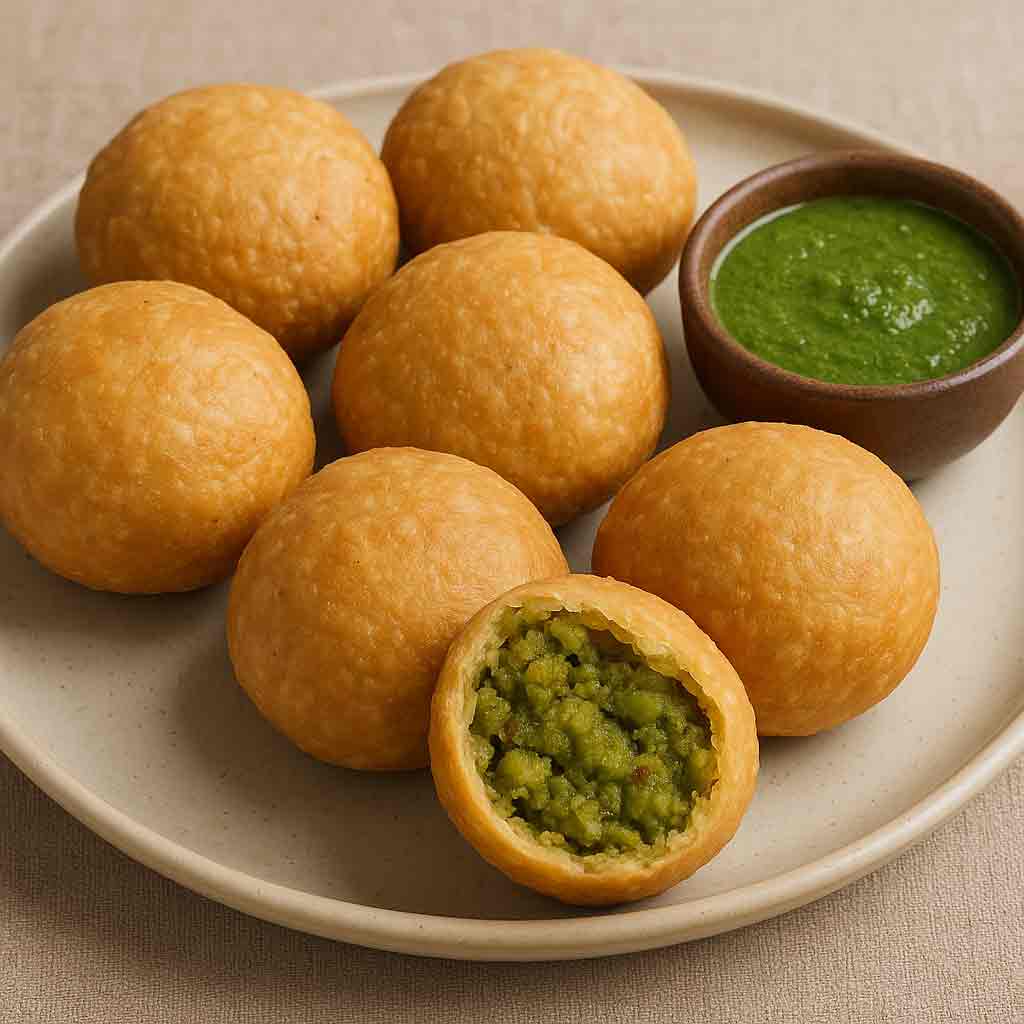
Gujarati Lilva kachori Recipe 🫓 Gujarati Lilva Kachori Recipe Making (Green Pigeon Pea Stuffed Crispy Kachori – A Winter Specialty of Gujarat) Lilva Kachori is a traditional Gujarati snack made from lilva (fresh green pigeon peas) stuffed into a spiced filling and encased in a crisp, flaky outer crust.It’s especially popular during the winter months when lilva is fresh and abundant.Golden and crispy on the outside, soft and flavorful inside — these kachoris are an irresistible part of Gujarati farsan! 🌿 Ingredients For the Dough: Maida (refined flour) – 2 cups Rava (semolina) – 1 tbsp Salt – ½ tsp Oil – 2 tbsp (for moyan) Water – as needed (to knead a soft, pliable dough) For the Filling: Fresh lilva (green pigeon peas) – 1 cup (coarsely crushed or mashed) Green chillies – 2 (finely chopped or crushed) Ginger paste – 1 tsp Garlic paste – ½ tsp (optional) Coriander leaves – 2 tbsp (chopped) Lemon juice – 1 tbsp Sugar – ½ tsp Salt – to taste Cumin seeds – ½ tsp Asafoetida (hing) – a pinch Turmeric powder – ¼ tsp Oil – 1 tbsp (for sautéing) For Frying: Oil – for deep frying 👩🍳 Preparation 1. Prepare the Dough In a mixing bowl, combine maida, semolina, and salt. Add oil and rub it into the flour with your fingers until crumbly. Gradually add water and knead into a soft, smooth dough (not sticky). Cover with a damp cloth and let it rest for 15–20 minutes. 2. Make the Lilva Filling Heat 1 tbsp oil in a pan. Add cumin seeds and hing. Let them crackle. Add green chillies, ginger, and garlic paste. Sauté for 30 seconds. Add the coarsely crushed lilva. Stir and cook on medium heat for 5–6 minutes until moisture reduces. Add turmeric, salt, sugar, lemon juice, and chopped coriander. Mix well. Cook for another 2–3 minutes till the mixture is dry. Let the mixture cool completely. 3. Shape the Kachoris Divide the dough into small lemon-sized balls. Flatten one ball slightly and make a small cup shape. Place 1 tsp of lilva filling in the center. Gather the edges, seal tightly, and flatten gently between your palms. Make sure the filling doesn’t break through the dough. 4. Fry the Kachoris Heat oil in a deep pan on medium flame. To test, drop a small dough piece — it should rise slowly, not immediately. Fry the kachoris on low to medium heat until golden brown and crisp from all sides. Remove and drain on absorbent paper. 5. Serve Serve hot Lilva Kachoris with green chutney, tamarind chutney, or even a cup of hot masala chai! 💡 Pro Tips ✅ Coarsely grind the lilva — don’t make it into a paste.✅ Always fry on low flame for even cooking and perfect crispness.✅ Add a pinch of sugar and lemon juice for that authentic sweet-tangy Gujarati balance.✅ Can also be baked at 180°C for 20–25 minutes for a healthier version. 🍽️ Serving Suggestion Serve as a farsan item in a Gujarati thali. Enjoy as a winter evening snack with tea. It pairs beautifully with garam masala chai or imli chutney.
Gujarati Chicken Kabab Recipe

Gujarati Patra Recipe
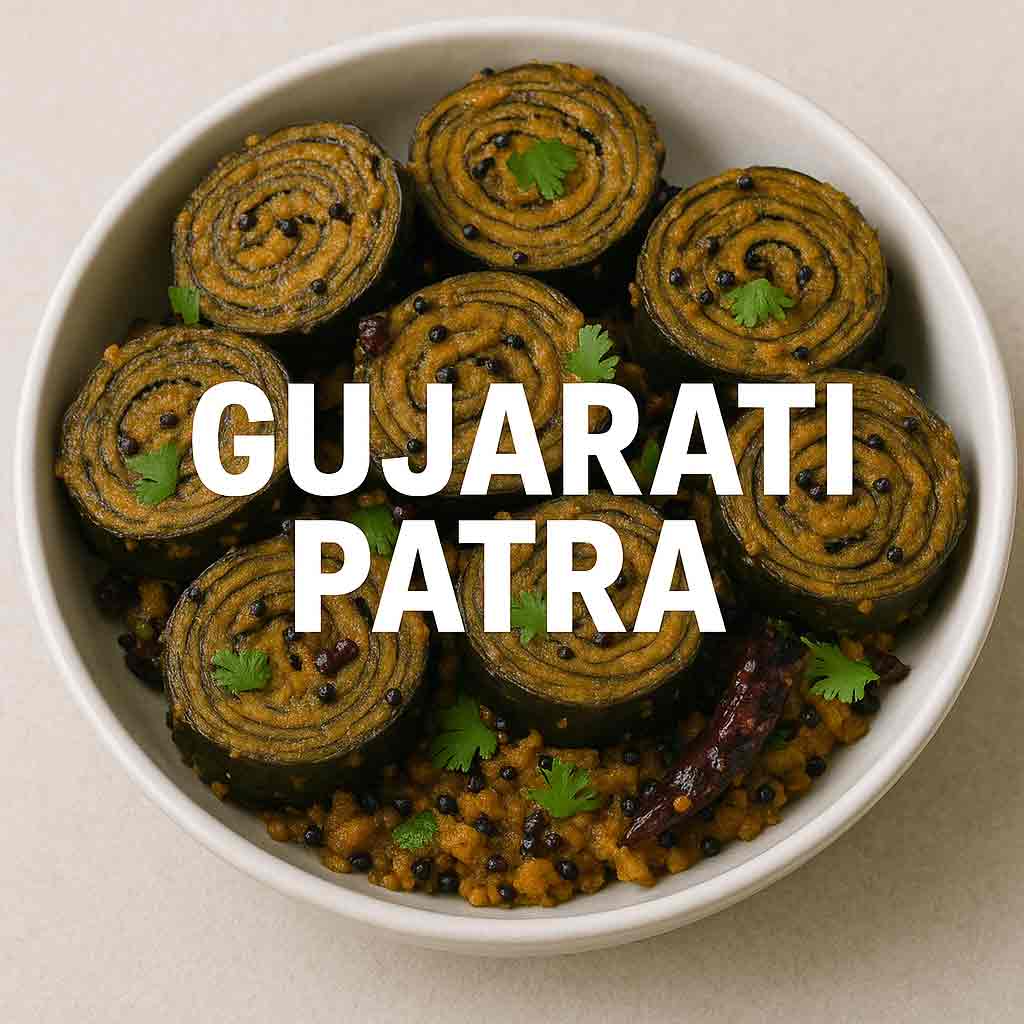
Gujarati Patra Recipe 🌿 Gujarati Patra Recipe Making (Steamed and Fried Colocasia Leaf Rolls with Sweet-Spicy Besan Masala) Patra (Gujarati: Patra na vada or Patrel) is one of Gujarat’s most famous farsan (snack) dishes. It’s made using arbi (colocasia) leaves coated with a spiced gram flour (besan) paste, rolled, steamed, and then sliced and shallow-fried.The combination of sweet, tangy, and spicy flavours makes it an irresistible part of the Gujarati thali or tea-time snack platter. 🪴 Ingredients For the Masala Paste: Gram flour (besan) – 1 cup Tamarind pulp – 2 tbsp Jaggery (grated) – 1 tbsp Green chilli paste – 1 tsp Ginger paste – 1 tsp Red chilli powder – ½ tsp Turmeric powder – ¼ tsp Asafoetida (hing) – a pinch Salt – to taste Water – as needed (to make a thick paste) For the Leaves: Large colocasia leaves (arbi / taro leaves) – 8 to 10 (washed and stalks removed) For Tempering: Mustard seeds – 1 tsp Sesame seeds – 1 tbsp Curry leaves – few Oil – 2 tbsp For Garnish: Grated coconut – 2 tbsp Fresh coriander leaves – 2 tbsp (chopped) 👩🍳 Preparation 1. Prepare the Leaves Choose medium to large colocasia (arbi) leaves — tender, not fibrous. Wash them well and pat dry. Place the leaves with the smooth side facing down. Trim thick veins slightly with a knife or rolling pin to flatten. 2. Make the Besan Masala Paste In a bowl, combine gram flour, tamarind pulp, jaggery, green chilli and ginger paste, red chilli powder, turmeric, asafoetida, and salt. Add a little water gradually to form a thick, smooth, spreadable paste (not runny). Taste and adjust — the masala should be spicy, tangy, and slightly sweet, the signature Gujarati balance! 3. Layer and Roll Place one leaf on a clean surface (veins facing upward). Spread a thin, even layer of the masala paste over it. Place another leaf on top and repeat the process (3–4 leaves per roll). Fold the sides inward and roll tightly from the base upwards. Secure with thread if needed. 4. Steam the Rolls Place the rolls in a steamer and cook for 20–25 minutes, until firm and set. Remove and cool completely before slicing (cooling helps in clean cuts). 5. Slice and Temper Slice the steamed rolls into ½-inch thick rounds. Heat oil in a pan, add mustard seeds, sesame seeds, and curry leaves. Once they splutter, add the patra slices and shallow fry till golden and slightly crispy on both sides. 6. Garnish and Serve Sprinkle grated coconut and chopped coriander over the fried patra. Serve hot or at room temperature. 🍽️ Serving Suggestions Serve Gujarati Patra as: A tea-time snack with green chutney. A side dish in a Gujarati thali. A tiffin snack — it tastes great even when cold! 💡 Pro Tips ✅ Use fresh, tender arbi leaves — older ones may cause itchiness.✅ Always balance tamarind and jaggery — that’s the key to authentic Gujarati taste.✅ Fry on medium heat to keep the outer layer crisp and inner part soft.✅ Store leftovers in the fridge — reheat on a pan to bring back the crispness. 🌶️ Flavor Note Gujarati Patra perfectly captures the Gujarati trifecta of sweet, spicy, and sour. The soft steamed layers and crunchy sesame topping make every bite a burst of texture and taste — a true culinary masterpiece from Gujarat’s farsan tradition.
Bengali Oondhiya Recipe
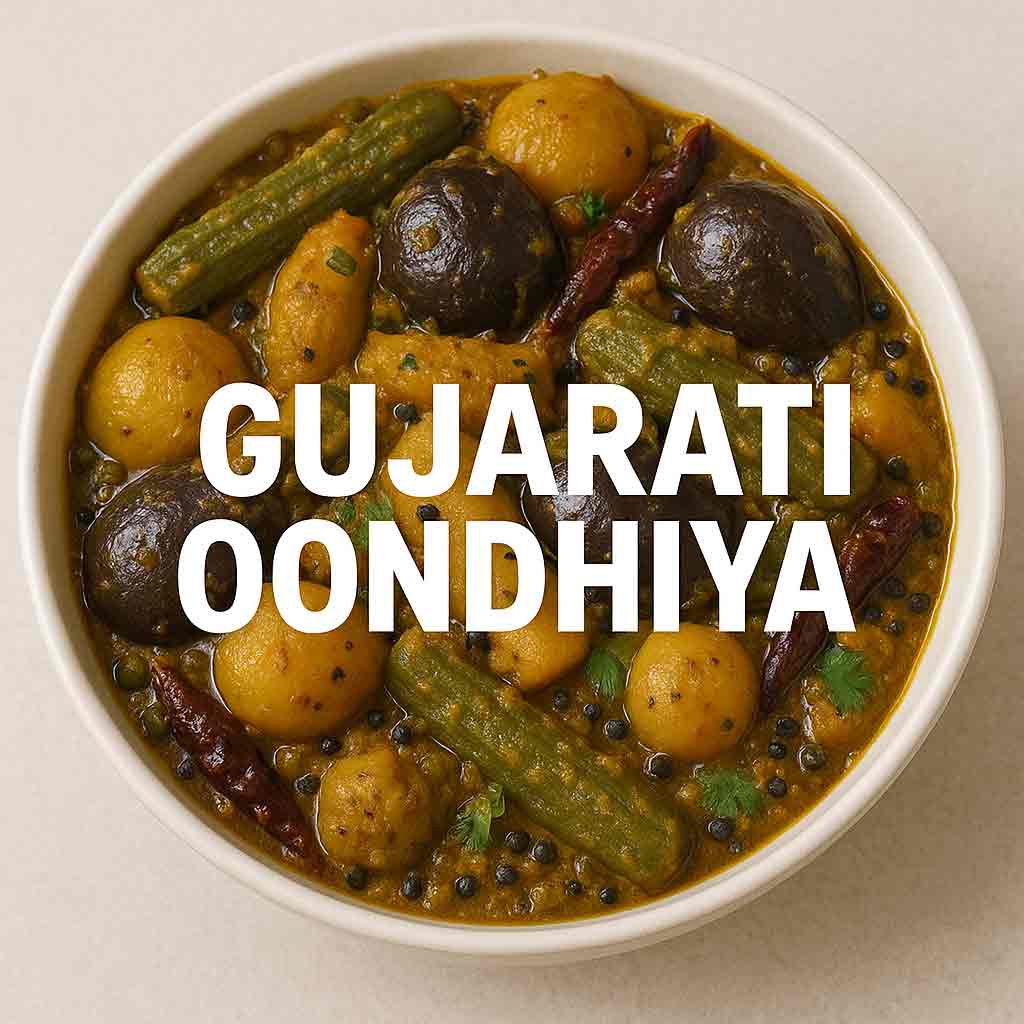
Bengali Oondhiya Recipe 🥘 Bengali Oondhiya Recipe Making (A Bengali twist on the classic Gujarati Undhiyu – hearty, rustic, and flavorful!) This Bengali Oondhiya combines the soul of Gujarat’s vegetable medley with the heart of Bengal’s spice artistry. Seasonal vegetables are slow-cooked in mustard oil, panch phoron, and a touch of coconut and mustard paste, giving the dish a unique East-meets-West Indian flavor. 🌿 Ingredients Vegetables (cut into medium chunks): Brinjal (eggplant) – 1 small Potatoes – 2 small Sweet potato – 1 small Green peas – ½ cup Pumpkin – ½ cup Carrot – 1 medium Raw banana – 1 Beans – 8–10 For the Masala Paste: Mustard seeds – 2 tbsp Poppy seeds – 1 tsp Grated coconut – 2 tbsp Green chillies – 2 Ginger – 1 inch Garlic – 3 cloves (optional) Turmeric powder – ½ tsp Water – as needed Other Ingredients: Mustard oil – 3 tbsp Panch phoron (Bengali five-spice mix) – 1 tsp Bay leaf – 1 Tomato – 1 (chopped) Salt – to taste Sugar – ½ tsp Water – as needed Fresh coriander leaves – for garnish 👩🍳 Preparation 1. Prepare the Masala Paste Soak mustard and poppy seeds in warm water for 15–20 minutes. Grind with green chillies, coconut, ginger, garlic, and turmeric into a smooth paste. 2. Fry the Vegetables Heat mustard oil in a large kadhai till it smokes lightly. Add potatoes, brinjal, pumpkin, and sweet potato; fry lightly until golden. Remove and set aside. 3. Temper and Sauté In the same oil, add panch phoron and bay leaf. When they crackle, add the ground masala paste. Fry on medium flame till oil separates and raw aroma fades. 4. Combine and Cook Add chopped tomatoes, salt, and sugar. Stir well. Add all the fried vegetables and green peas. Mix to coat evenly with masala. Add about ½ cup of water, cover, and cook on low flame for 15–20 minutes, stirring occasionally, until vegetables are soft and flavours have melded. 5. Finish and Serve Drizzle a teaspoon of mustard oil or ghee before serving for extra aroma. Garnish with fresh coriander leaves. 🍛 Serving Suggestion Serve Bengali Oondhiya hot with steamed rice, luchi, or paratha.It makes a wholesome vegetarian main course that celebrates the best of both Bengali and Gujarati kitchens. 💡 Pro Tips ✅ Use seasonal winter vegetables for authentic Undhiyu-like variety.✅ Adjust the mustard paste’s intensity — more for pungency, less for mildness.✅ Slow cooking helps the vegetables absorb the masala perfectly.